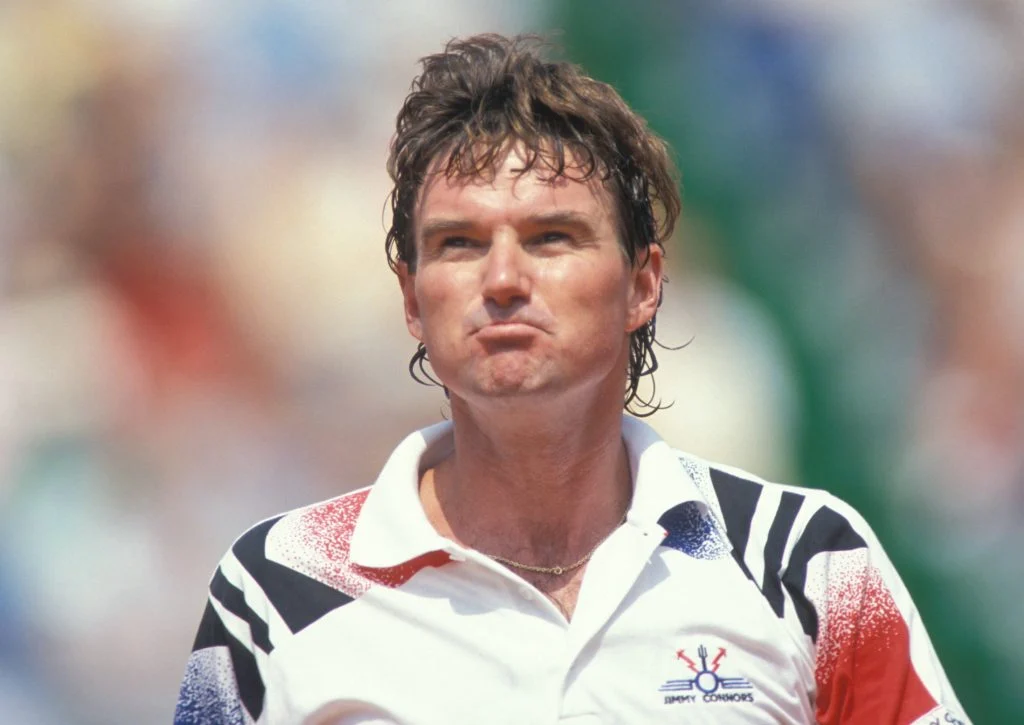
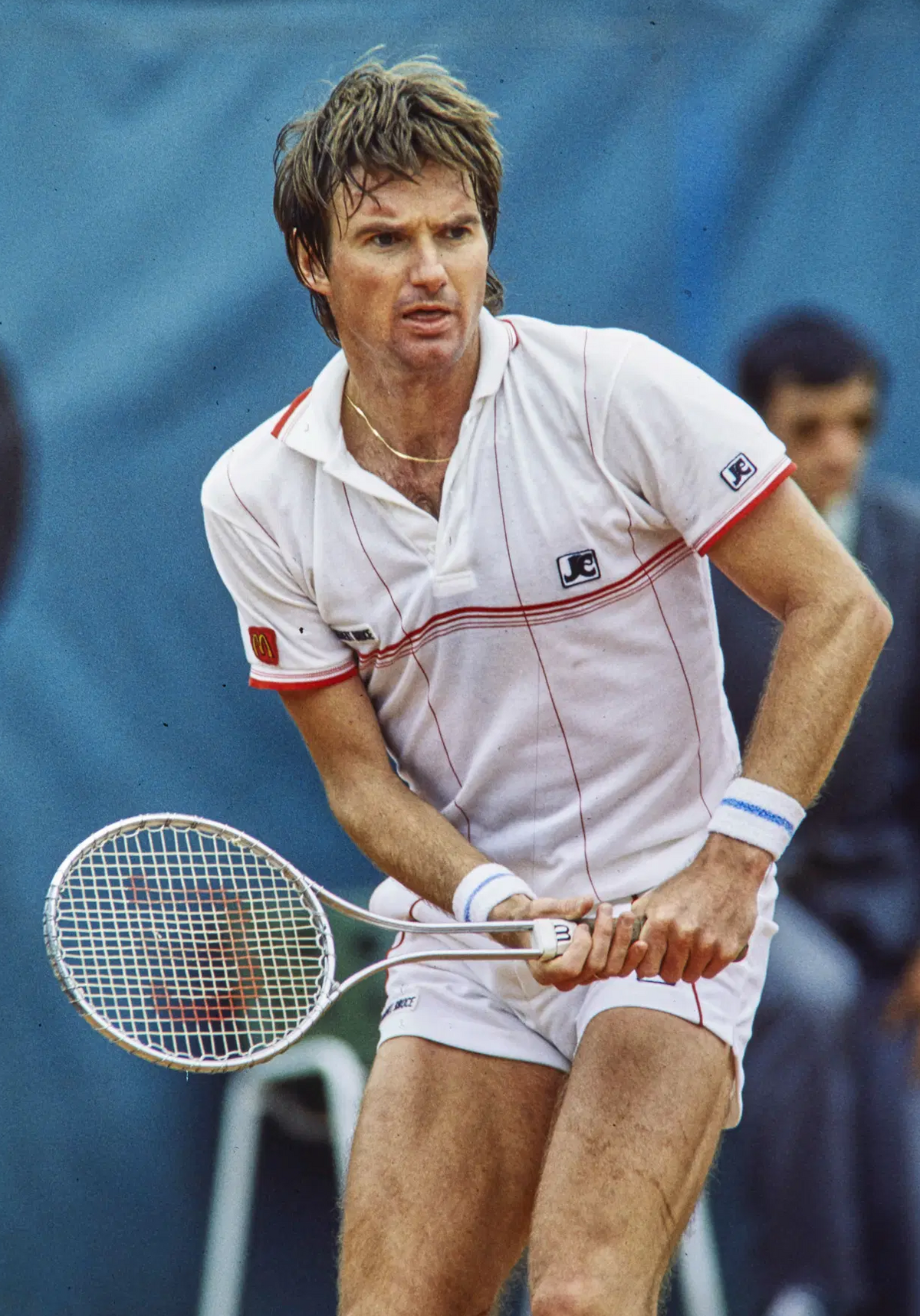
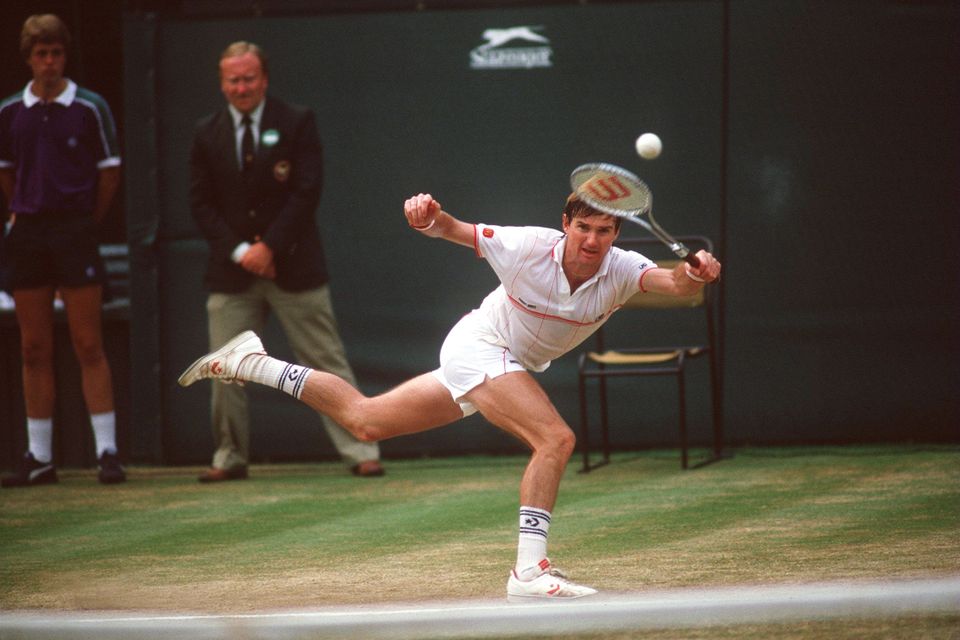
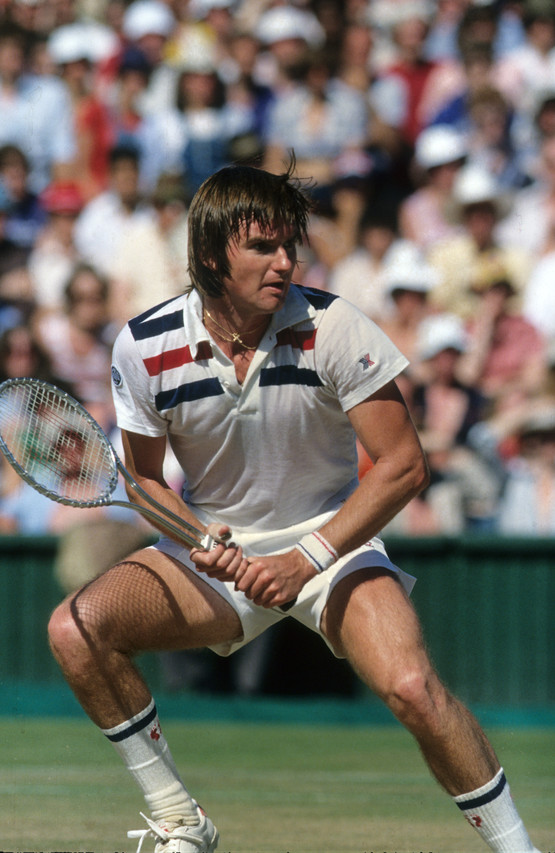
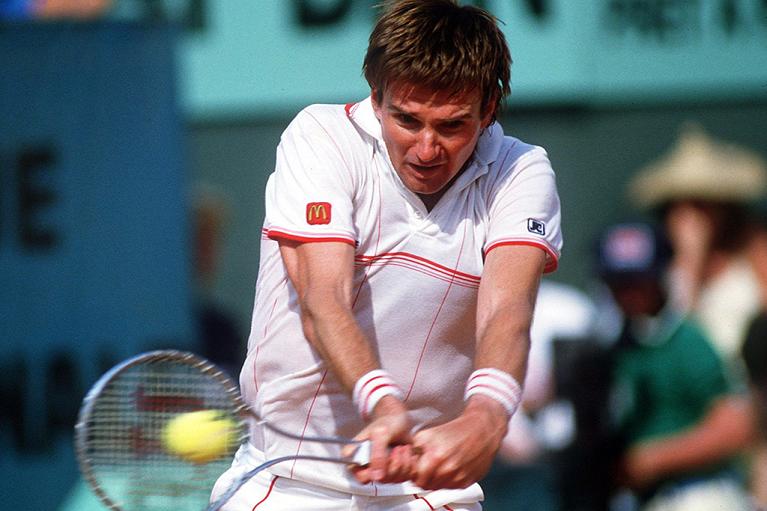
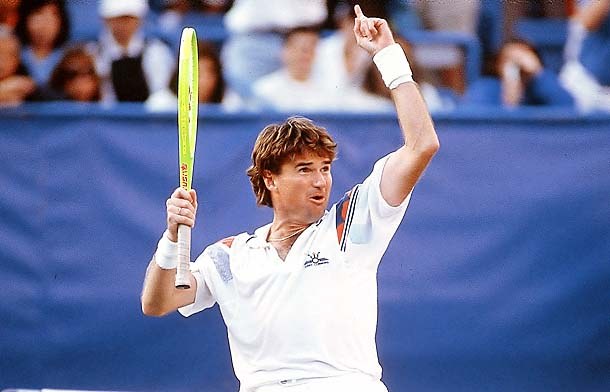
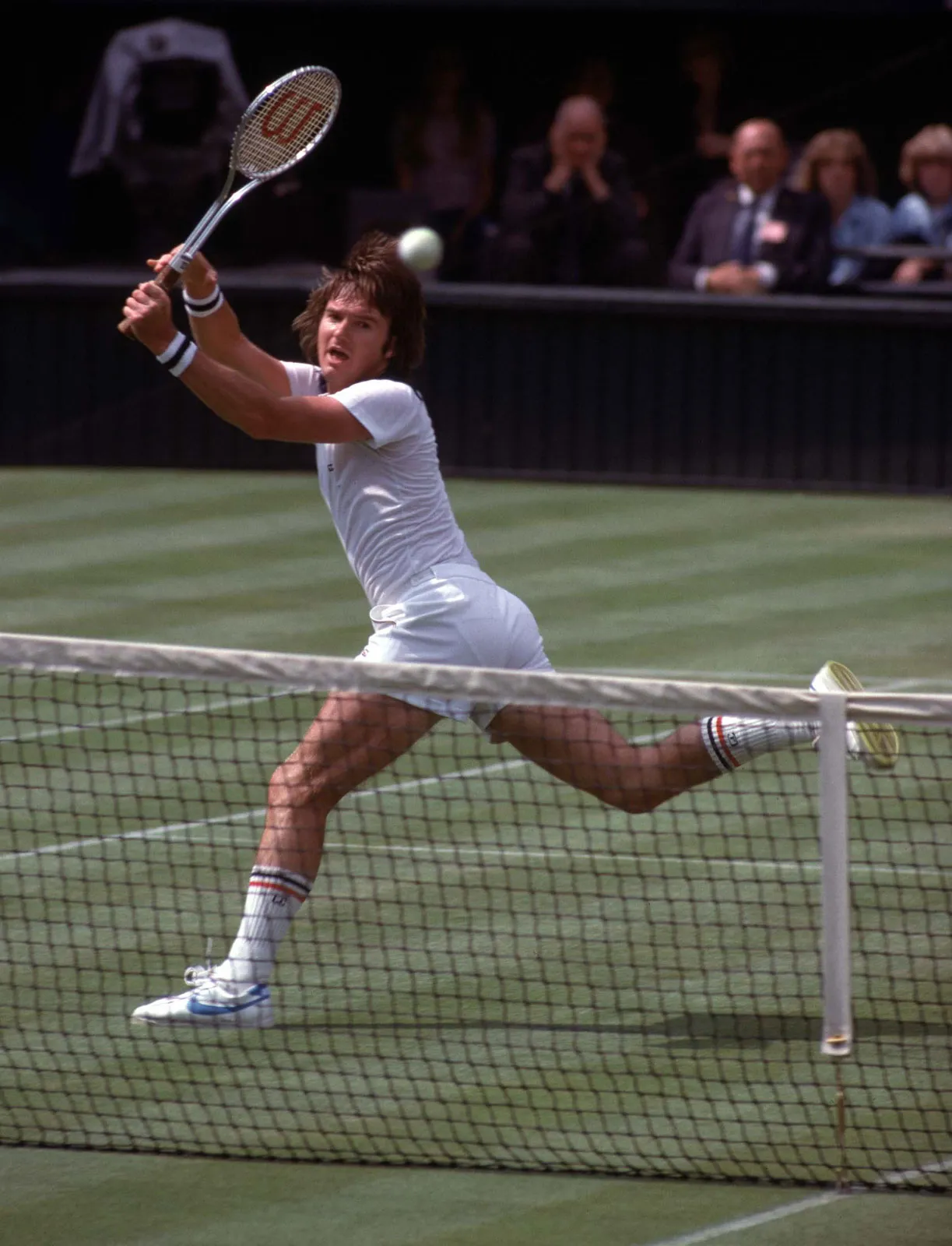
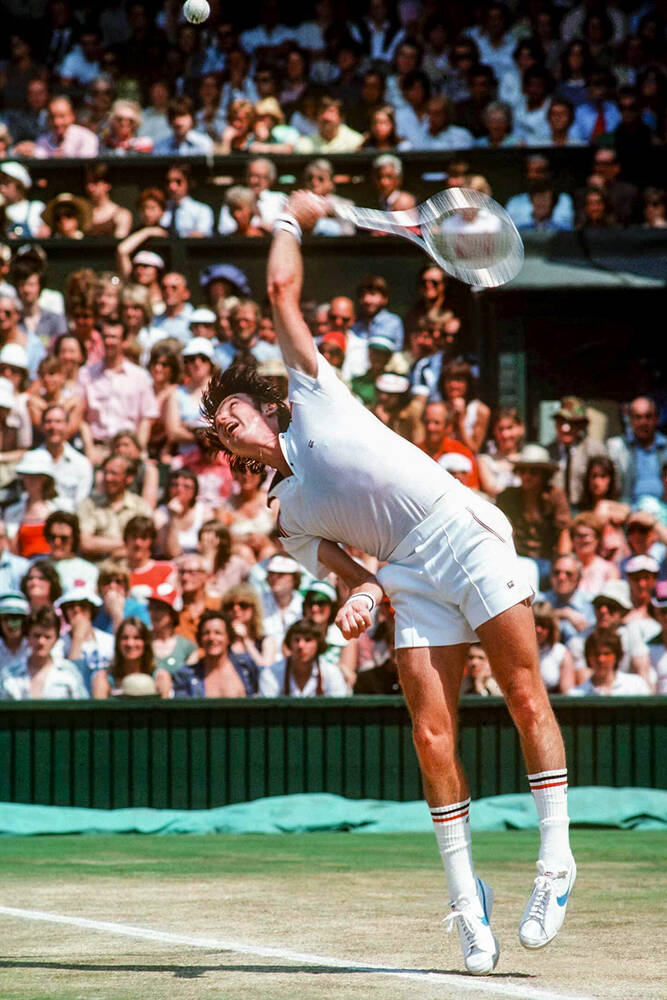
Jimmy Connors became one of the defining competitors of the Open Era through extraordinary longevity, relentless intensity and an aggressive baseline game built around his iconic two-handed backhand. The American won 109 tour-level singles titles, eight Grand Slam singles championships and spent 268 weeks as World No.1.
Born in Belleville, Illinois, Jimmy Connors developed a distinctive attacking baseline game that helped reshape men's tennis during the 1970s and 1980s. A left-hander with a powerful two-handed backhand, exceptional return of serve and unmistakable competitive intensity, he brought an aggressive energy to the court that made him one of the sport's most recognisable champions.
Connors turned professional in 1971 after winning the NCAA singles championship during his brief college career at UCLA. His rise accelerated rapidly, but 1974 transformed him into the dominant player in men's tennis. He won the Australian Open, Wimbledon and the US Open in the same season and climbed to World No.1 for the first time in July.
His relationship with the US Open became unique in tennis history. Connors won the championship five times and became the only man to win the tournament on three different surfaces: grass in 1974, clay in 1976 and hard court in 1978, 1982 and 1983. His rivalries with Björn Borg, John McEnroe and Ivan Lendl connected multiple generations of the men's game.
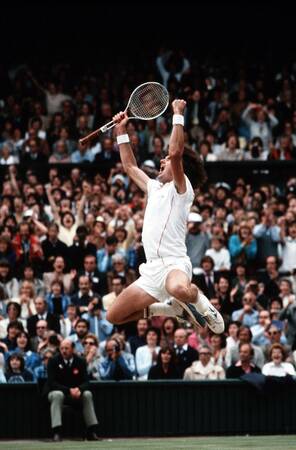
Connors returned to the summit of Wimbledon in 1982, eight years after his first title there, defeating McEnroe in a dramatic five-set final. He then won consecutive US Opens in 1982 and 1983, with the latter becoming his eighth and final Grand Slam singles title.
Even after his championship peak, Connors remained a major presence. At 39, he produced an unforgettable run to the 1991 US Open semi-finals, turning the tournament into one of the defining late-career stories in tennis. His final years extended a professional journey that ultimately reached 109 singles titles and more than 1,200 match victories.
AGE202 Historical Archive
02 · Career
Careerat a glance.
The numbers behind the legend: ranking peaks, titles, dominance and longevity across an era.
Career high
#1
Highest recorded historical ranking
Career titles
109
Titles recorded in the AGE202 historical archive
Weeks at No.1
268
Weeks recognised at the top of the rankings
Year-end No.1
5
Seasons finished as the world's leading player
Olympic gold
0
Olympic singles gold medals
Era
—
Primary historical period represented
03 · Grand Slam Legacy
Majorchampionship record.
8 total
AO
1
Australian Open
Singles titles
RG
0
Roland Garros
Singles titles
W
2
Wimbledon
Singles titles
US
5
US Open
Singles titles
Major titles
8 Grand Slams
AGE202 historical major record
04 · Career Timeline
Moments thatshaped the legacy.
A chronological path through the defining seasons, breakthroughs and milestones that built this legend's place in tennis history.
7 milestones
1971
Historical marker
1971
Milestone 01
NCAA Champion & Professional Beginning
The start of an extraordinary competitive journey
Connors won the NCAA singles championship during his brief college career at UCLA and turned professional in 1971, beginning one of the longest and most prolific careers of the Open Era.
1974
Historical marker
1974Featured
Milestone 02
The Dominant Season
Three majors and the rise to World No.1
Connors produced the defining season of his career in 1974, winning the Australian Open, Wimbledon and the US Open before establishing himself as World No.1. It was one of the great seasons of the Open Era.
1976
Historical marker
1976
Milestone 03
US Open Champion on Clay
A second New York crown on a different surface
Connors defeated Björn Borg to win the 1976 US Open at Forest Hills on clay. Combined with his earlier grass-court victory and later hard-court titles, the achievement became part of a unique three-surface US Open legacy.
1978
Historical marker
1978
Milestone 04
Champion at Flushing Meadows
Winning the first US Open staged on hard courts
Connors defeated Björn Borg in the 1978 final to become champion at the first US Open held at Flushing Meadows, completing his remarkable record of winning the tournament on grass, clay and hard courts.
1982
Historical marker
1982
Milestone 05
Wimbledon Reclaimed
Eight years later, champion again
Eight years after his first Wimbledon title, Connors defeated John McEnroe in a dramatic five-set final in 1982. The victory became one of the defining examples of his longevity and competitive resilience.
1983
Historical marker
1983
Milestone 06
Fifth US Open Crown
The eighth and final major
Connors defeated Ivan Lendl to win the 1983 US Open, securing his fifth championship in New York and the eighth Grand Slam singles title of his career.
1991
Historical marker
1991
Milestone 07
The Impossible US Open Run
A 39-year-old turns New York into his stage again
At age 39, Connors produced one of the most celebrated late-career runs in tennis history, reaching the 1991 US Open semi-finals and captivating the New York crowd with the same competitive intensity that had defined his prime.
05 · Gallery
The imagesthat survived the era.
A visual archive of defining matches, trophies, rivalries and moments that became part of tennis history.
7 images
Archive 01
Archive 02
Archive 03
Archive 04
Archive 05
Archive 06
Archive 07
06 · Legacy
What remainsafter the victories.
Historical significance
Jimmy Connors helped redefine what longevity, intensity and crowd engagement could mean in professional tennis. His flat, aggressive groundstrokes and two-handed backhand anticipated important elements of the modern baseline game, while his return of serve became one of the signatures of his career.
The numbers reflect extraordinary durability: 109 tour-level singles titles, eight Grand Slam singles championships, 268 weeks at World No.1 and five consecutive year-end No.1 finishes from 1974 through 1978. His five US Open titles were achieved across grass, clay and hard courts, a singular accomplishment that captures his adaptability.
Connors also connected eras. He competed against champions ranging from Ken Rosewall and Arthur Ashe to Björn Borg, John McEnroe and Ivan Lendl, and remained capable of producing memorable tennis deep into his thirties. His 1991 US Open semi-final run at age 39 became a final emblem of the competitive identity that had defined him for two decades.
“Relentless intensity, flat groundstrokes and a competitive fire built for the biggest stages.”